Negative Gearing, CGT and South Side Cairns: What Local Homeowners and Investors Need to Know
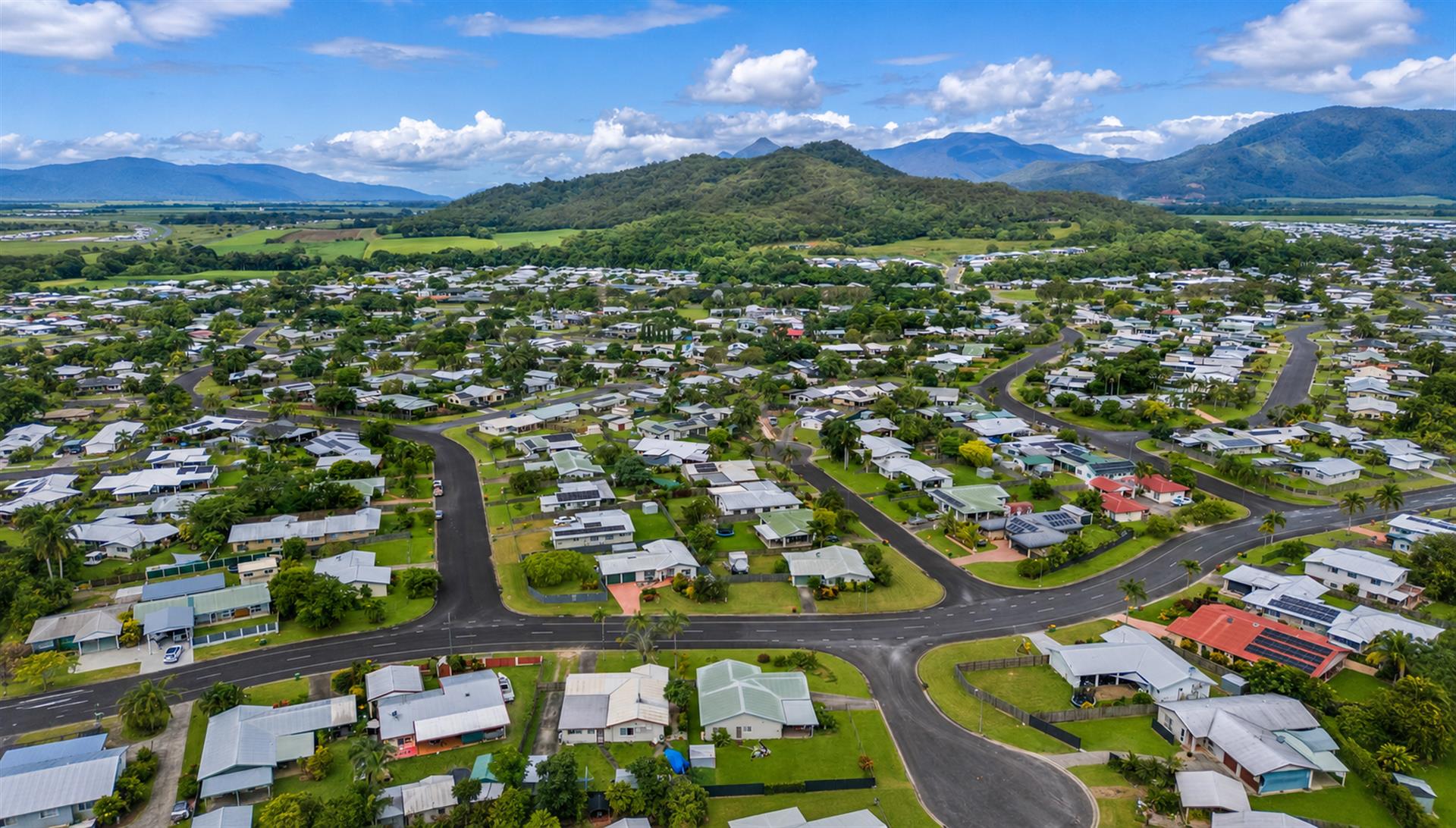
Most people in White Rock, Mount Sheridan, Bentley Park, Edmonton or Mount Peter are not sitting around reading federal budget papers.
Fair enough.
But when the Federal Government starts talking about changes to negative gearing and capital gains tax, it is worth paying attention — because these are not abstract Canberra debates. They flow directly into what buyers pay, what investors earn, what developers build, and what renters face across South Side Cairns.
Nothing has been legislated at the time of writing. But in property markets, behaviour shifts before the rules do. Investors, developers and buyers make decisions based on what they think is coming next.
So here is what South Side locals need to understand — in plain language.
What Changes Are Being Discussed?
The two main levers being debated are the capital gains tax discount and negative gearing.
Under the current rules, if you hold an investment property for more than 12 months, you may only pay tax on half the capital gain when you sell. That 50% CGT discount has underpinned investor strategy in Australian property for decades.
Example: You buy a home in Mount Sheridan for $580,000. You sell it years later for $780,000. The $200,000 gain is halved for tax purposes under current rules — you pay tax on $100,000, not $200,000.
There is also discussion about restricting negative gearing to new homes only. Under that scenario, investors buying existing properties could no longer offset rental losses against their taxable income — a benefit currently available across all investment properties.
That would be a meaningful shift. And South Side Cairns would feel it.
Why Is the Government Looking at This?
Housing affordability is the short answer.
Australia has leaned heavily on private investors to supply rental housing for decades. That has worked for wealth builders. But it has also contributed to rising prices, squeezed first-home buyers and kept rents elevated across regional markets like Cairns.
The policy logic goes like this: reduce tax incentives for buying existing homes, redirect investor money toward new construction, and — in theory — improve supply and affordability over time.
Whether it works is the subject of genuine debate. But that is the intent behind it.
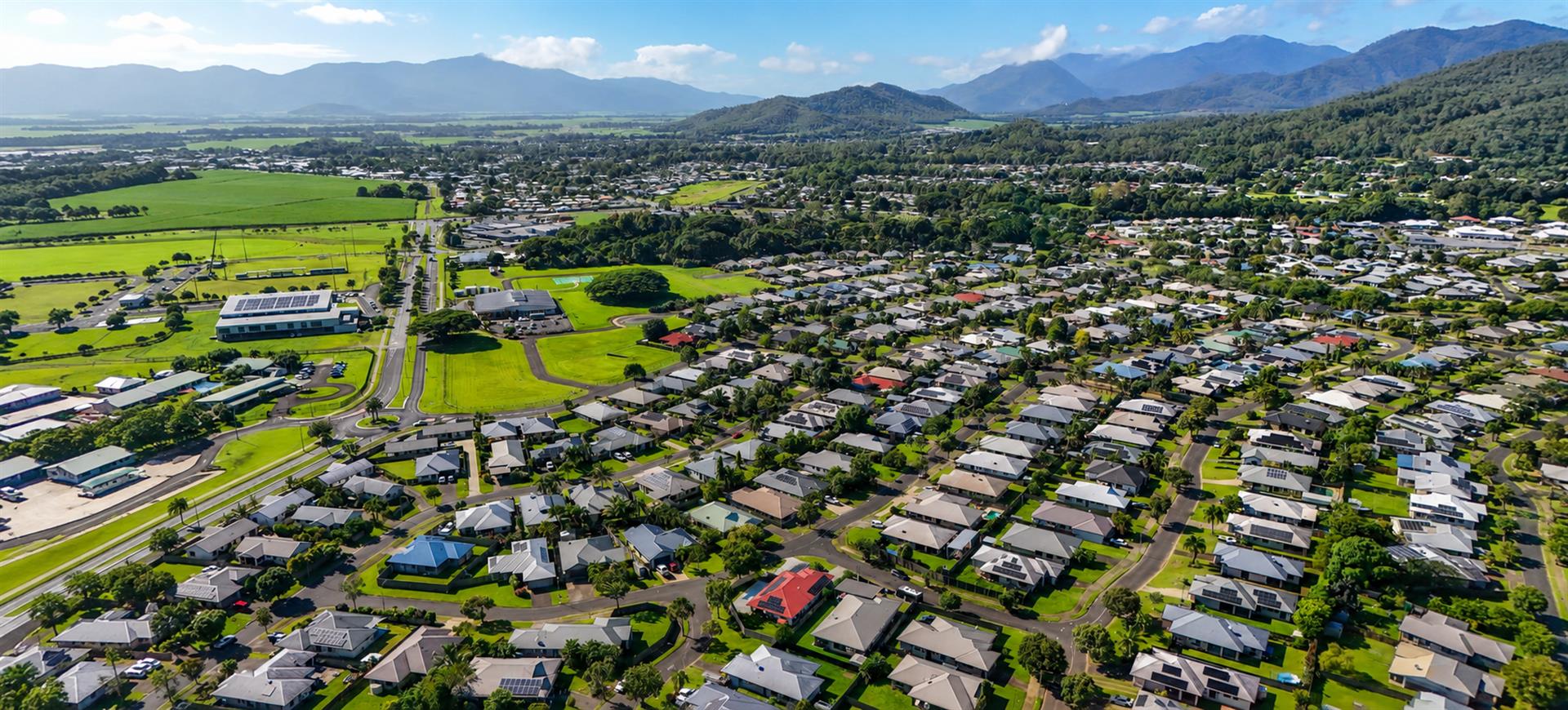
What This Means Specifically for South Side Cairns
This is the part that matters most if you own, rent or invest south of the Cairns CBD.
The southern corridor — White Rock, Mount Sheridan, Bentley Park, Edmonton and the emerging growth area of Mount Peter — is already carrying significant housing pressure. Population is growing. Families are moving south for affordability. Rental vacancy sits low. And infrastructure demand is outpacing delivery.
Any change to investor tax rules does not land evenly across all markets. In South Side Cairns, the effects would be specific.
1. New Housing Areas Could See Stronger Investor Interest
If negative gearing is restricted to new builds, investors who still want tax benefits will shift attention toward house-and-land packages, duplexes and brand-new homes.
That points directly at Mount Peter and southern Edmonton — areas where the Cairns Regional Council and state government are already planning for major future growth. Mount Peter has been earmarked as Cairns' primary urban growth corridor, with capacity for tens of thousands of additional residents over the coming decades.
If investor demand concentrates in new builds, that can accelerate take-up in these growth areas. But it only works if the infrastructure is there to support it: roads, sewerage, drainage, water and community facilities. Policy can redirect demand. Infrastructure determines whether supply actually arrives.
2. Established Suburbs May Rely More on Owner-Occupier Demand
White Rock, Mount Sheridan and Bentley Park are established communities with real owner-occupier appeal. Good schools, accessible shopping, practical family homes and a lived-in community feel.
If investor tax benefits for existing homes are reduced, some investors will do the numbers harder. Yield, cash flow and holding costs will matter more than vague promises of future capital growth.
But that is not necessarily bad news for these suburbs. Owner-occupiers buy with a different lens — school zones, neighbourhood feel, commute times, land size, lifestyle. White Rock in particular has strong fundamentals for owner-occupier demand. The suburb is consistently undervalued relative to the quality of housing stock it offers.
The shift could actually make some established South Side properties more resilient — because they attract buyers who intend to live there, not just hold for growth.
3. Rental Pressure Will Not Be Fixed by Tax Policy Alone
Cairns is already dealing with structural rental pressure. Low vacancy. Strong demand from workers, families and people relocating from southern cities. Limited new supply. High construction and insurance costs.
Some commentators argue that reducing investor tax benefits will reduce rental supply — fewer landlords means fewer rental homes. Others argue that redirecting investors toward new builds will eventually add supply. Both arguments contain truth.
What is clear is this: tax policy alone will not fix Cairns' rental market. The underlying issue is that Cairns has not built enough homes in the right locations, with the right infrastructure behind them, fast enough to match population growth.
That is a Cairns Regional Council issue, a state government issue, and a construction industry issue — not just a federal tax debate.
4. First-Home Buyers on South Side: Some Potential Relief, Not a Guarantee
If investor competition cools for existing homes in suburbs like Bentley Park, Edmonton and White Rock, first-home buyers may find they face fewer competing offers. That is a plausible benefit.
But affordability on South Side is already one of Cairns' main drawcards. These suburbs attract buyers precisely because they offer more land, more house and more value than comparable properties north of the CBD or along the coastal strip. That underlying appeal does not disappear with any change to investor tax rules.
If supply stays tight and population growth continues — both likely outcomes for Cairns over the next decade — first-home buyer competition will remain real.
5. The Infrastructure Question Is the Bigger Story
Here is the thing that does not get enough attention in these debates.
Tax policy shapes where investors look. It does not build roads, lay sewerage or fund schools. And for South Side Cairns — particularly the Mount Peter growth corridor — infrastructure delivery is the critical variable.
Mount Peter is already identified as one of the most significant urban growth areas in regional Queensland. The Bruce Highway upgrade works, the Cairns Southern Access Corridor planning and the proposed Mount Peter town centre all point toward long-term investment in this part of the city.
But long-term planning does not automatically mean near-term delivery. If tax changes push more investors toward new builds in Mount Peter and Edmonton before the servicing infrastructure is in place, the result could be supply bottlenecks, not the housing pipeline the market needs.
This is why local homeowners should watch Council planning decisions, infrastructure budgets and development approval timelines — not just federal tax headlines.
What Should South Side Homeowners Do Right Now?
Do not make decisions based on proposed changes that have not been legislated.
But do get informed.
If you own in an established suburb like White Rock or Mount Sheridan, understand what your home is worth in the current market — not based on peak 2022 sentiment, and not based on fear-driven discounting. Understand what buyers in your suburb are actually looking for right now.
If you are considering selling, the window of strong owner-occupier demand in established South Side suburbs is real. Buyers who want to live here are still active. But the market is becoming more selective. Well-presented homes in practical locations with good land are performing. Overpriced stock is sitting.
If you are an investor reviewing your portfolio, the question is not just "what happens to my tax?" It is: does this property work if the rules change? Does the yield hold up? Is the location one that renters actually want?
For most well-located South Side properties, the fundamentals are still sound. Real demand. Growing population. Infrastructure investment coming. And affordability that continues to attract buyers from across Queensland.
My Take as a South Side Agent
I work in these streets every week. White Rock, Mount Sheridan, Bentley Park, Edmonton — this is the market I know.
And what I see is a market shaped by real people making real decisions: families needing more space, investors looking at yield, first-home buyers stretching to get a foothold, renters trying to find stability.
Federal tax debates matter at the margin. But what drives South Side Cairns in the long run is population growth, infrastructure delivery and the fact that this part of the city offers the most accessible pathway to a genuine family home in one of Queensland's most liveable regional cities.
That does not change overnight because of tax policy.
If you want to understand what this means specifically for your property — whether you own, rent or invest on South Side — feel free to reach out for a straightforward conversation.
Jeff Rufino Inspire Real Estate Cairns 0411 530 910 White Rock Local. South Side Focused. I fight for your value.